Prefilled pods or e-liquid bottles, what the format really changes
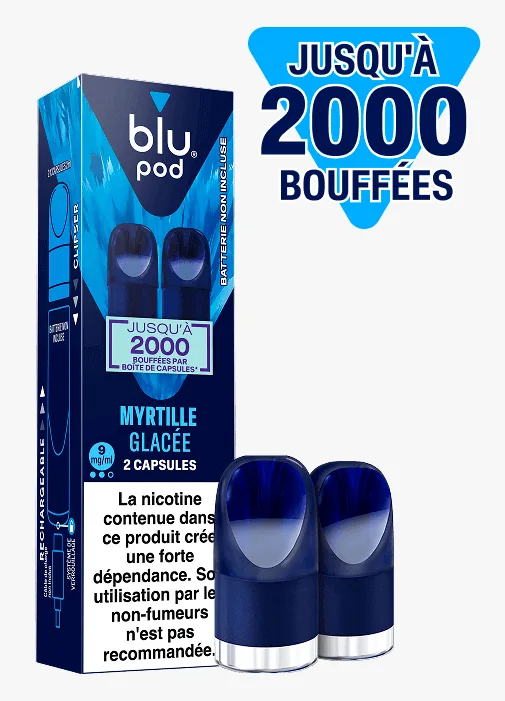
Two ways of feeding a device, two results that have little in common. Choosing between prefilled pods and a bottle of e-liquid is usually framed as a matter of convenience or cost, and most comparisons stop there. The criterion that really separates them in daily use is another one, consistency. Does the flavour on day ten still taste like the flavour on day one?
Why prefilled pods hold their flavour for longer
The prefilled pod wins on this criterion, and the reason is mechanical. Every pod carries its own coil, so replacing the pod also replaces the heating element, and the flavour starts again from scratch each time.
A bottle, on the other hand, feeds a coil that stays in place for several days or several weeks. That coil clogs, the wick loads up with residue, and the flavour you perceive sags little by little until the familiar burnt taste signals the end of its life.
The decline is gradual, which is exactly why it goes unnoticed. On a refillable device, the flavour you judged on the first fill is the flavour of a clean coil, and every fill after that runs through a slightly more tired one.
The duel on four criteria you can taste
These four lines are the ones you notice in use, not the ones printed on a label. They assume a tight mouth to lung draw in both cases, so that like is compared with like.
| Criterion | Prefilled pod | Bottle of e-liquid |
|---|---|---|
| Flavour consistency | starts afresh with every pod | fades as the coil wears |
| Faithfulness to the stated profile | calibrated with its own coil | depends on settings and hardware |
| Vapour volume | moderate, suited to a tight draw | variable with the power chosen |
| Handling | none, the pod is sealed | filling, priming, waiting |
The second line is the one people underestimate. A single fruity profile does not taste the same on every coil that heats it, and a prefilled pod removes that variable by delivering the liquid and the coil already matched to each other.
The third line matters too. A pod is built around a tight draw and a moderate amount of vapour, so anyone chasing big clouds is looking at the wrong format. A bottle feeding an open tank at higher power plays a different game altogether.
What capacity really changes
In the UK, the Tobacco and Related Products Regulations 2016 limit tanks and cartridges to 2 ml. That ceiling is often presented as a drawback, yet it is also what forces the coil inside a pod to be renewed often.
On the two pod ranges we examined for this duel, a 2 ml pod is rated for up to 1,000 puffs and a 1.9 ml pod for up to 1,300, figures that vary with individual habits. At that pace the heating chamber is replaced every two to three days in everyday use.
A 10 ml bottle looks like the more generous option, but every drop in it passes through the same coil from the first fill to the last.
The balance tips the other way as soon as you judge what reaches the palate rather than the volume in the bottle, a point we develop in our look at Multi Freeze and its 10 ml and 50 ml formats.
The chemistry is not the same either
One technical point clearly separates pod ranges, and it concerns nicotine. Not every prefilled pod relies on nicotine salts, and some ranges stick to classic freebase nicotine across their entire line-up.
You can feel the difference. The throat hit is built differently and the nicotine does not arrive with the same profile. It is a selection criterion in its own right, separate from flavour, and worth checking before you settle on a range.
The heating side varies as well. Some pods work with a porous ceramic chamber, others with a mesh coil. Two approaches, two flavour signatures, for the same simple act of clicking a fresh pod into place.
Who prefilled pods suit, and who is better off with a bottle
Prefilled pods are aimed at people who want a stable result without adjusting anything. Click the pod in, vape, replace it. The sealed format removes filling, priming and waiting, and it makes consumption easy to follow one pod at a time.
The bottle keeps the advantage of choice, with a catalogue of profiles on an entirely different scale and freedom over nicotine strength. In return it asks for hardware care that not everyone wants to provide, from coil changes to the occasional clean.
One last point often settles the matter, and it is compatibility. Pods are tied to a device family, and two pod families from the same maker are not necessarily interchangeable. Before building a rotation of flavours, check which pods your device actually accepts.
What the UK single-use ban means for this choice
Since 1 June 2025, single-use vapes can no longer be sold or supplied in the UK. For someone who valued the no-filling side of a disposable, the relevant comparison is now between a device that takes replaceable pods and a refillable kit fed from a bottle.
The first keeps the sealed, nothing-to-adjust experience while the device itself stays in use. The second asks for the routine described above, in exchange for a far wider choice of flavours and strengths.
Reading a pod pack before you commit
Whichever format you lean towards, a few details on the pack or the product sheet tell you more than the flavour name. Five of them are worth checking every time.
- the capacity in millilitres, capped at 2 ml for a nicotine pod under UK rules
- the form of nicotine, freebase or salts
- the strength in mg/ml
- the device family the pod is designed for
- the puff rating, read as an estimate that moves with your own habits
None of these lines says anything about taste, yet together they decide whether a pod will suit your device and your routine. The flavour name only comes into play once those five boxes are ticked.
Frequently asked questions
Can a prefilled pod be refilled once it is empty?
It is designed to be replaced, not refilled. The whole point of the format is a sealed pod whose liquid and coil are matched from the start, and forcing one open undoes exactly the consistency that justifies choosing it.
Does a prefilled pod need priming like a new coil?
No. Priming, the step of letting a fresh coil soak before firing it, belongs to refillable hardware. A sealed pod is designed to be clicked in and used straight away, which is one of the main practical arguments for the format.
What other limits apply to bottles and pods in the UK?
Under the Tobacco and Related Products Regulations 2016, nicotine e-liquid is capped at 20 mg/ml and nicotine refill bottles at 10 ml, alongside the 2 ml limit on tanks and cartridges. Products are notified to the MHRA before going on the market, and none may be sold to under-18s.
Should a pod contain freebase nicotine or nicotine salts?
It depends on the hit you want. At equal strength, nicotine salts give a softer throat hit, while freebase nicotine feels more present in the throat. Neither is better in absolute terms, so the choice comes down to personal preference.
How should spare pods be stored?
Keep them sealed, dry, out of the light and away from heat until you use them. As with any e-liquid, fruit notes tend to lose their sharpness before the sweeter notes do.
Prefilled pods or a bottle, the verdict of this duel
On flavour, the prefilled pod comes out ahead thanks to a coil that is renewed all the time. On choice, the bottle remains unbeatable. The decision rests on what you are after, a taste that does not move or a catalogue to explore.
For readers in the first camp, prefilled pods are the steadier of the two formats, and the only one where every refill starts with a fresh coil.
Related reading
Written for adult vapers only. Nicotine is a highly addictive substance, and vaping products may not be sold to anyone under 18 in the United Kingdom. This comparison is editorial content, not a recommendation to buy.
Read next
Aspire Pixo Max against the Sonder Q3 and the XROS 6, compared by the numbers
Aspire Pixo Max compared with the Sonder Q3 and XROS 6 on battery per unit of size, real power on a 0.4 ohm pod, 2 ml pods and a verdict per vaper.
Dinner Lady against two French fruit ranges, ratio by ratio
Dinner Lady against Juice Heroes and Multi Freeze on flavour, PG/VG ratio, vapour density and nicotine options, with a verdict for MTL or DL vapers.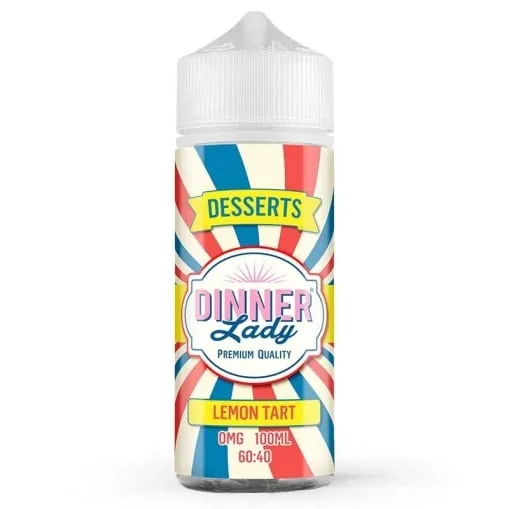
Geekvape Sonder pods compared, which e-liquid suits each coil
Geekvape Sonder pods compared by coil, from 0.4 to 1.2 ohm, with wattage ranges, the PG/VG ratio each one handles and a verdict by vaping style.